Local SEO Tracking in 2026: How Small Businesses Can Measure What Actually Matters
Local SEO can be difficult to evaluate when a business focuses on rankings alone. A company may appear in local search for some customers and not others because results can vary by location, device, query, competition, and other factors.
A better approach is to connect local search activity with business outcomes. Calls, qualified leads, bookings, website visits, direction requests where available, and customer inquiries can tell an owner more than one ranking position.
Why Local SEO Measurement Is Different
Traditional website analytics can show where visitors came from and what they did on a site. Local search adds another layer because customers may contact a business directly from a search result without visiting the website first.
That means the measurement system should include both website activity and direct customer actions.
Start With Business Goals
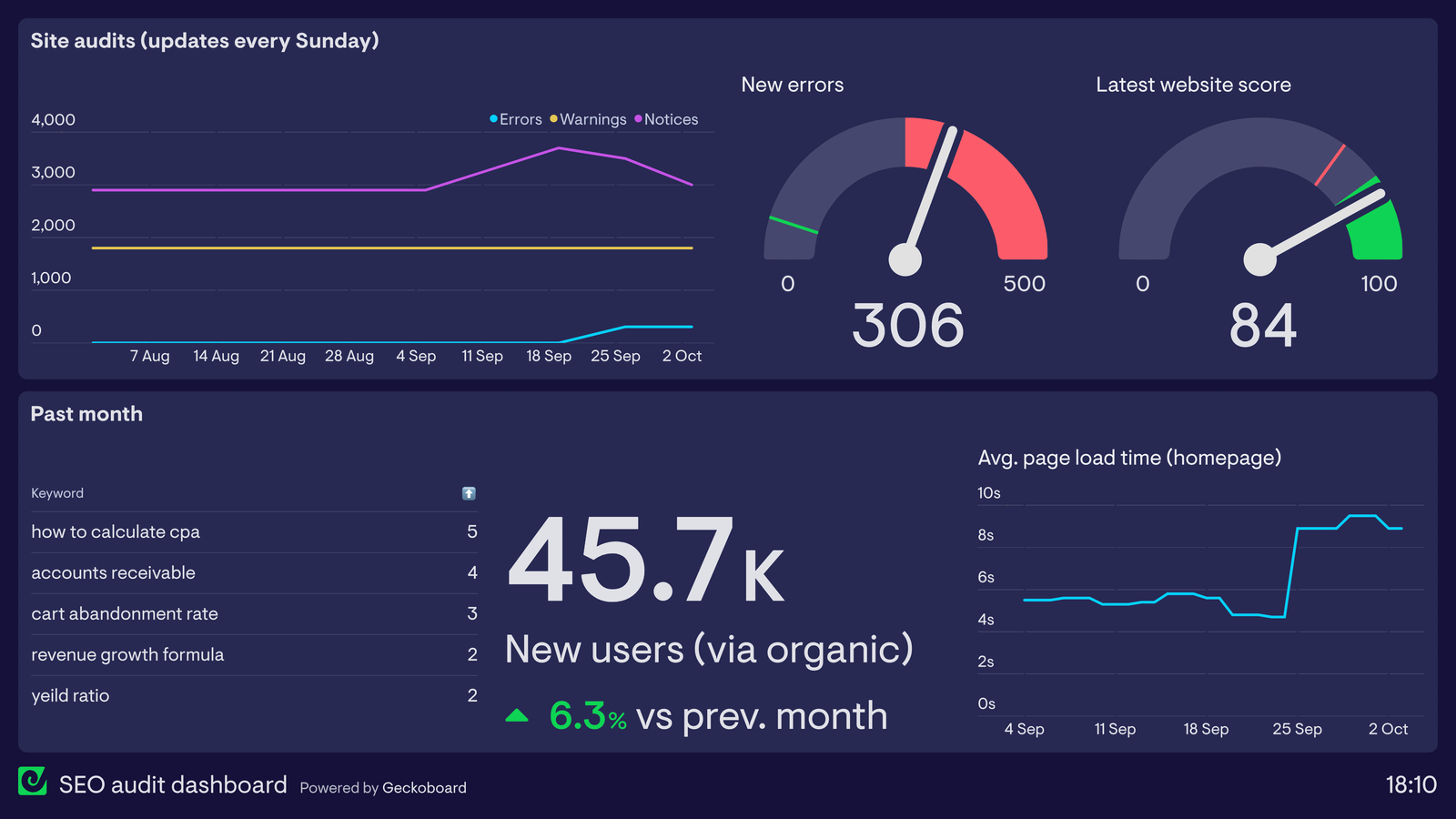
Choose the outcome that matters most. A restaurant may care about calls, bookings, and directions. A home-service company may care about quote requests. A professional service firm may care about qualified consultations.
Do not choose a metric only because the platform makes it easy to display. A metric is useful when it helps explain whether marketing is producing valuable business activity.
Track Website Leads
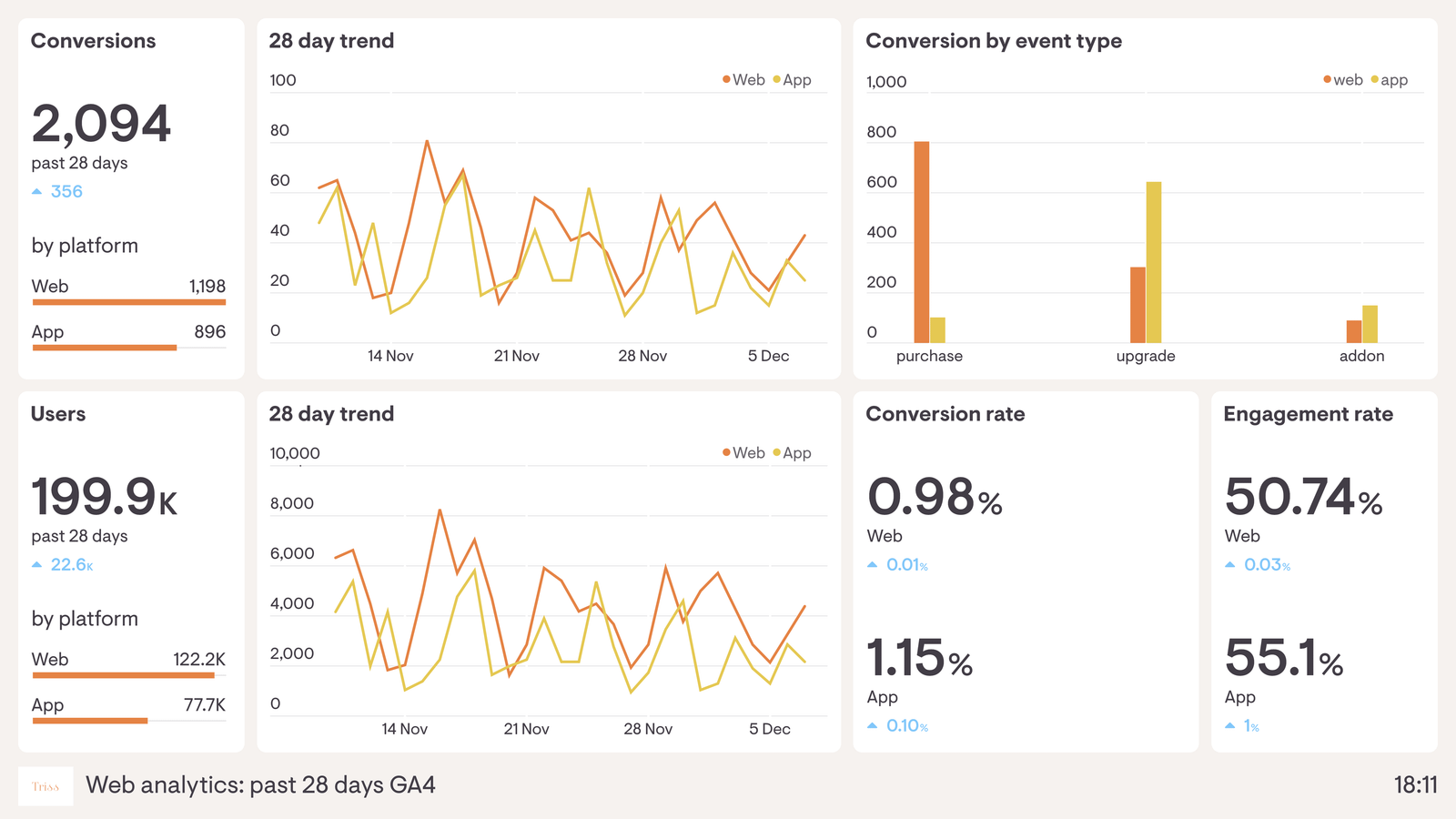
Use clear conversion points on the website. Contact forms, booking requests, phone links, quote forms, and other important actions should be measurable.
Keep forms simple enough for customers to complete. If a local customer needs to answer ten unnecessary questions before requesting a quote, measurement may show the problem but the better solution is to improve the form itself.
Track Calls Carefully
Calls can be one of the most important outcomes for local businesses. Make sure the phone number shown on the website and profile is correct and that staff know how to record qualified inquiries.
Where appropriate, call tracking can provide more detail, but the business should understand how tracking numbers affect customer experience and local business information consistency.
Measure Local Landing Pages
If a business serves multiple locations, useful location pages can help customers find relevant information. Track visits, engagement, and conversions for these pages.
A location page should not exist only to target a city name. It should answer genuine questions about the service, availability, area served, and customer needs.
Do Not Obsess Over One Ranking
Search results can change based on where the search is performed and what the person searches for. A ranking check from the business owner’s office may not represent what a customer sees several miles away.
Instead of asking only “What position are we in?”, ask whether qualified customers are finding the business and taking useful actions.
Review Google Business Profile Data
Google provides business performance information through its current Business Profile tools. Review available customer actions and search information, while remembering that platform reporting can change over time.
Use Google’s official Business Profile Help resources when you need current information about available reporting features.
Use Search Console for the Website
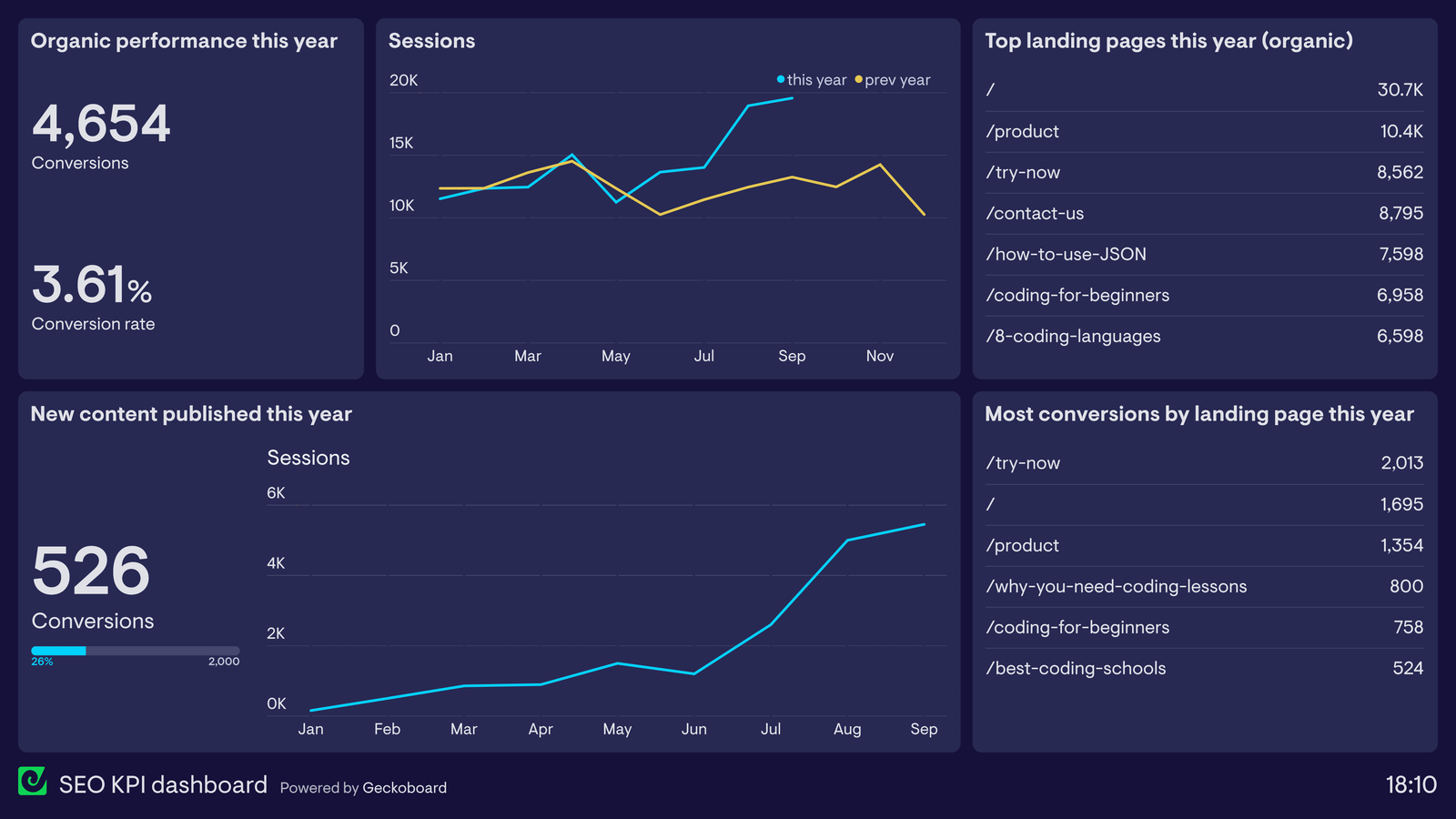
Google Search Console can help website owners understand how pages appear in Google Search. Search queries, impressions, clicks, and page performance can reveal which topics attract attention.
Use those signals to improve pages that already show evidence of customer interest rather than creating large numbers of thin pages.
Separate Traffic From Qualified Leads
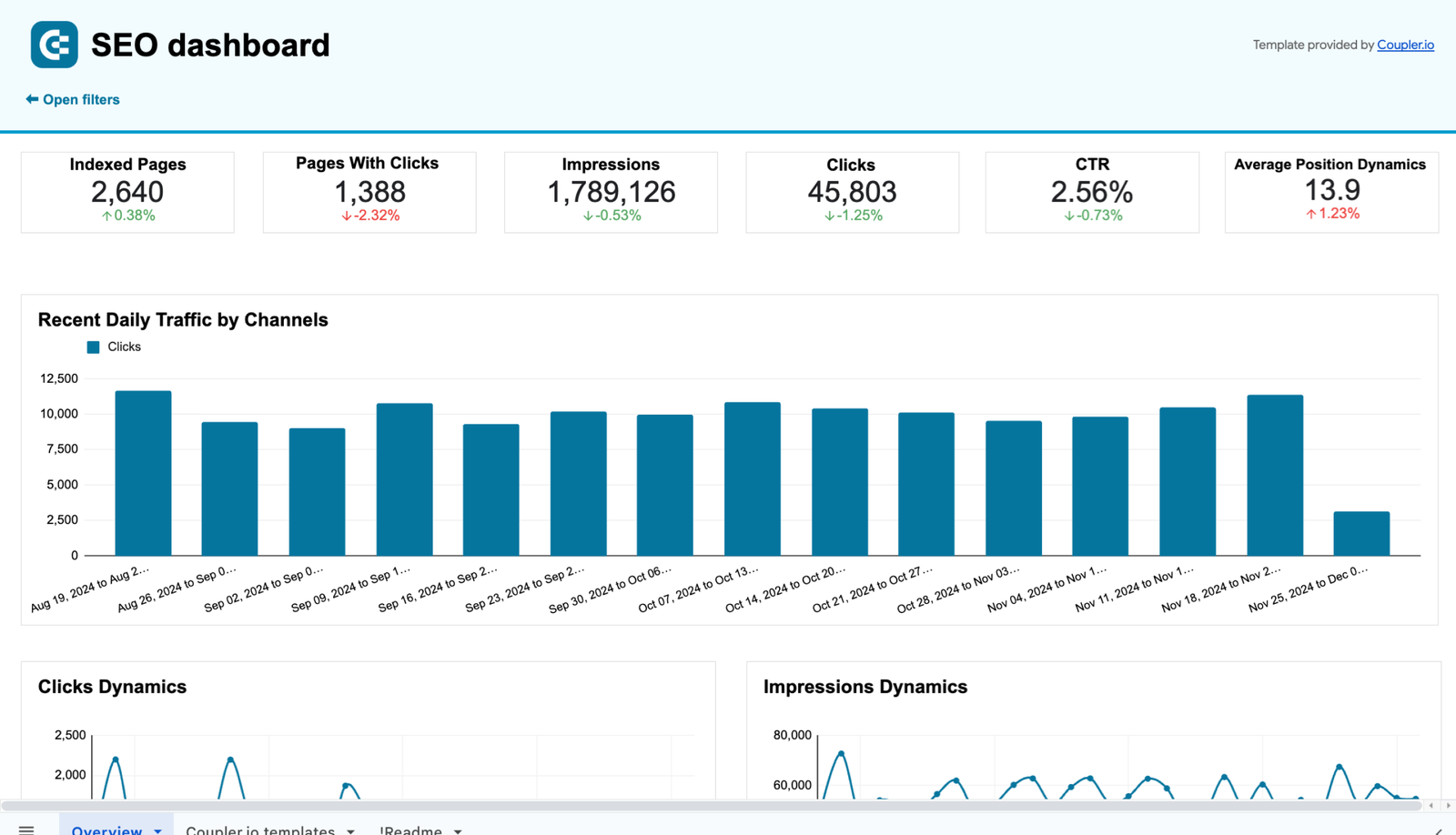
One thousand visits are not necessarily better than one hundred if the smaller group contains the customers the business actually serves.
Where possible, connect leads to outcomes such as appointments, sales, quotes, or completed jobs. This helps the owner understand which local search activity creates business value.
Watch Seasonal Changes
Local demand can change throughout the year. A landscaping business, tax professional, hotel, or retail store may have very different search patterns in different months.
Compare similar periods when possible. A month-to-month comparison can be misleading when the business is strongly seasonal.
Create a Monthly Local SEO Report
A simple monthly report can include website organic clicks, top local landing pages, calls, form leads, bookings, major search themes, review activity, and notable changes in business profile information.
Add a short explanation of what changed and what action will be taken next. A report that contains only numbers does not help an owner make decisions.
Investigate Sudden Drops
If leads fall sharply, check the basics before assuming an algorithm problem. Confirm that the website is accessible, contact forms work, phone numbers are correct, business hours are current, important pages are indexed, and tracking has not broken.
Then compare demand. Search volume may fall because of seasonality, weather, local events, competition, or changes in customer behavior.
Use a Simple Measurement Dashboard
- Organic search clicks.
- Local landing page visits.
- Qualified contact forms.
- Phone inquiries.
- Bookings or appointments.
- Customer review volume and themes.
- Business profile actions where available.
- Leads that become real customers.
Final Takeaway
Local SEO measurement should answer a business question: is search helping the company attract useful customers?
Track customer actions, website conversions, local search signals, and final business outcomes. Review the data consistently and investigate changes before making large marketing decisions.
The strongest local SEO report is not the one with the most metrics. It is the one that helps the owner understand what customers are doing and what the business should improve next.