
Financing a growing business in 2026 is less about finding the biggest loan and more about matching the right type of capital to the job. A loan that works well for equipment may be a poor fit for payroll. A long-term real estate loan may protect monthly cash flow, while a short-term working-capital product may solve a seasonal gap faster. The best choice starts with a clear use of funds, a realistic repayment plan, and a lender that understands your business model.
This matters even more after a major policy change. In July 2026, the U.S. Small Business Administration announced that eligible borrowers can combine SBA 7(a) and 504 financing for up to $10 million in SBA-backed capital, subject to program rules and lender approval. That gives established small businesses more flexibility, but it also makes the financing decision more complex.
This guide explains how the main SBA options differ, when each one may fit, what information lenders usually want, and how to build a financing plan that supports growth without creating unnecessary cash-flow pressure.
What changed for SBA financing in 2026?
The headline change is the ability for eligible borrowers to use both 7(a) and 504 financing with a combined SBA-backed amount of up to $10 million. The practical value is not that every company should borrow more. The value is that a business with two different funding needs may be able to use a more suitable structure for each one.
For example, a manufacturer may need to buy a building and also fund inventory, hiring, and launch costs. Instead of forcing all of those needs into one loan product, the company may be able to use 504 financing for qualifying fixed assets and 7(a) financing for broader business needs.
The exact structure depends on lender underwriting, SBA rules, collateral, business history, cash flow, owner contribution, and the eligible use of proceeds. Treat the higher combined limit as an option, not as a borrowing target.
SBA 7(a) vs 504: the simple difference

When 7(a) is usually the more flexible option
SBA 7(a) loans are commonly used for a wider range of business purposes. Depending on the transaction, eligible uses can include working capital, equipment, business acquisition, refinancing of certain debt, inventory, leasehold improvements, and real estate.
That flexibility makes 7(a) useful when the business need is mixed. A restaurant opening a second location, for example, may need kitchen equipment, furniture, deposits, opening inventory, and several months of operating cash. One flexible facility may be easier to manage than several small products with different payment schedules.
When 504 may make more sense
SBA 504 financing is designed around major fixed assets that support business growth. Typical examples include owner-occupied commercial real estate and long-lived equipment. It is often attractive when a company wants long-term financing for a specific capital asset and wants to preserve working cash for daily operations.
Imagine a metal fabrication company that has rented space for eight years. The company has stable orders, a strong customer base, and enough cash flow to support expansion. Buying a facility may reduce lease uncertainty and give the company room to install larger machinery. A 504 structure may be more suitable for that fixed-asset goal than using a short-term credit line.
How combined 7(a) and 504 financing can work in practice
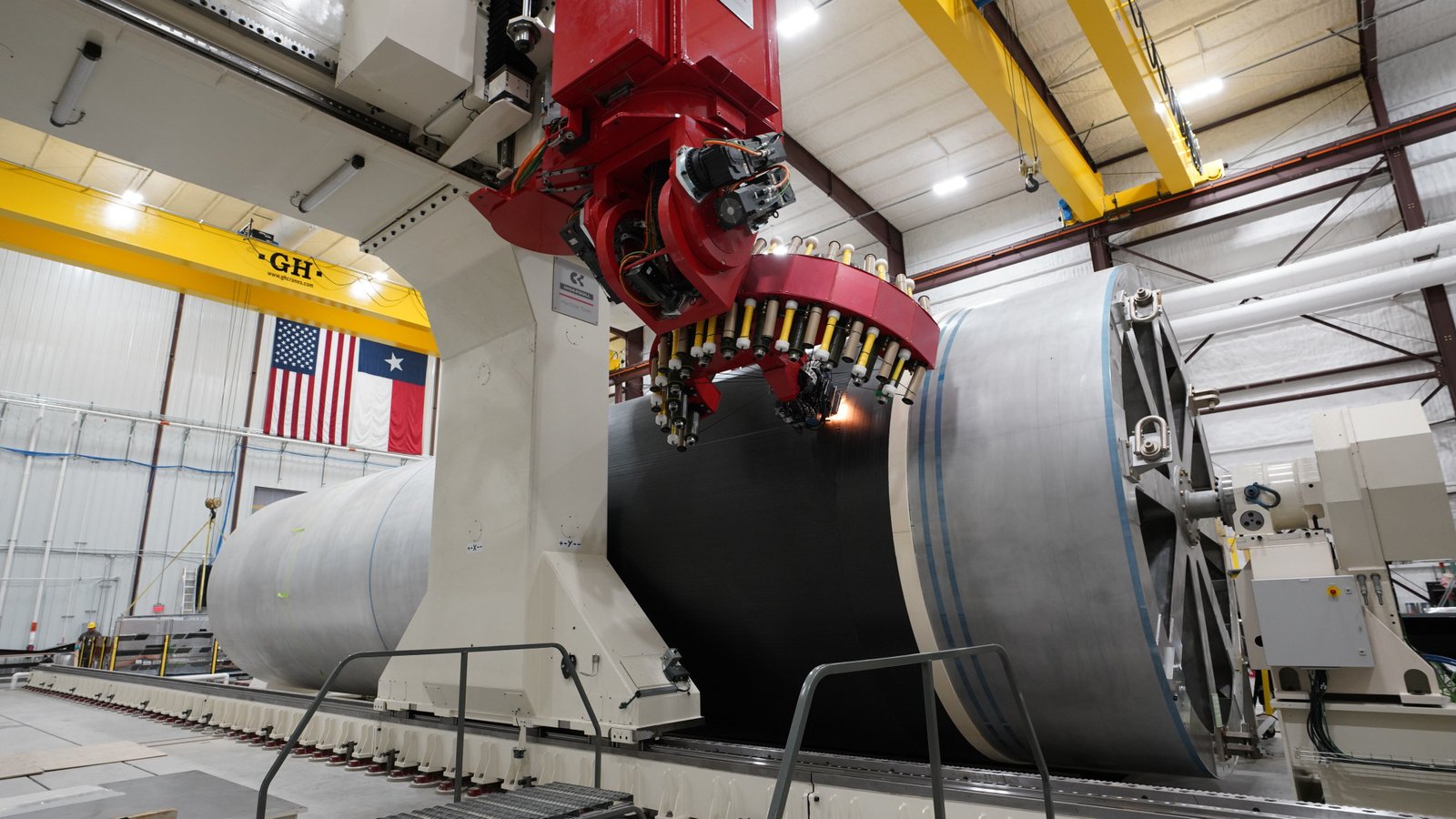
Combined financing becomes useful when a project contains both fixed assets and flexible operating needs. The goal is to separate those needs rather than financing everything in the same way.
Consider a regional food producer planning a new production site. The project includes a building purchase, refrigeration equipment, packaging machines, initial raw materials, staff training, and extra working capital for the first six months.
A possible structure could place the qualifying building and major equipment in the 504 portion, while eligible working-capital and operating needs are handled through 7(a). The actual structure must be designed by participating lenders and must meet program rules, but the planning principle is simple: long-lived assets should not automatically be funded with short-term money.
Step 1: define exactly what the money will do
Before speaking to lenders, create a use-of-funds schedule. Do not start with a round number such as “we need $2 million.” Start with the project.
- Real estate purchase: $1,150,000
- Production equipment: $420,000
- Renovation and installation: $180,000
- Inventory increase: $160,000
- Hiring and training: $90,000
- Cash reserve for ramp-up: $200,000
This creates a $2.2 million project with several different funding needs. It also gives a lender something useful to underwrite. A detailed schedule shows that management understands where the capital will go and why each expense supports revenue, capacity, efficiency, or risk reduction.
Step 2: match financing term to asset life
A practical financing rule is to avoid paying for long-lived assets with short-lived debt whenever possible. If a machine is expected to generate value for ten years, financing it with a facility that creates a large repayment burden in one or two years can strain cash flow.
The same logic works in reverse. A long-term loan is not always ideal for a temporary inventory increase that should convert back to cash within a few months.
A simple matching framework
- Commercial property: consider long-term fixed-asset financing.
- Heavy equipment: compare equipment-specific and 504 structures.
- Working capital: consider flexible 7(a) or other working-capital solutions.
- Business acquisition: evaluate 7(a) and conventional acquisition financing.
- Seasonal inventory: compare revolving credit with term debt before committing.
Step 3: calculate debt service before applying
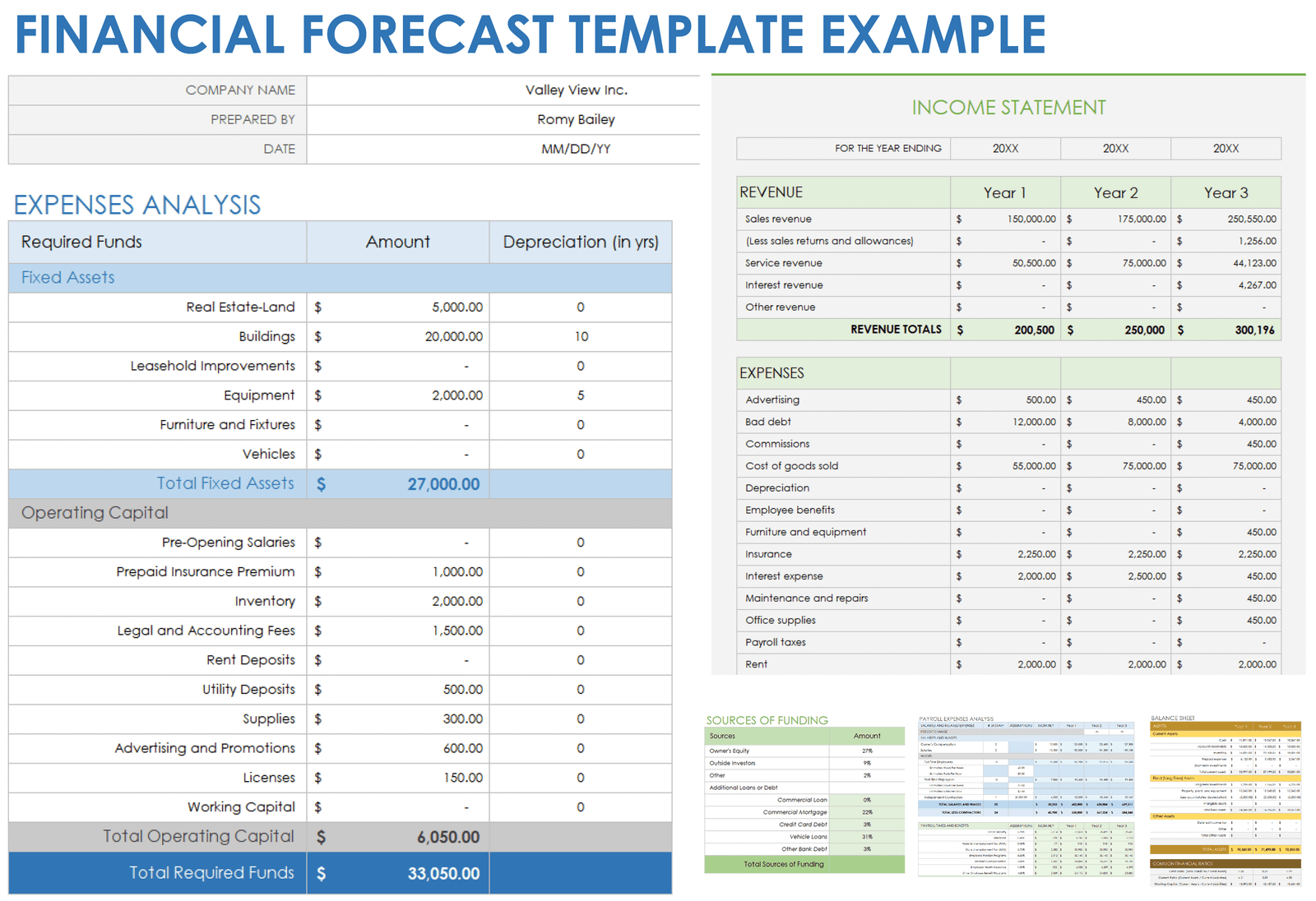
Many owners focus on whether a lender will approve the loan. A better question is whether the business can comfortably service the debt during a normal month and during a slower month.
Build three cash-flow cases:
- Base case: expected sales and normal expenses.
- Downside case: lower revenue, delayed receivables, or higher input costs.
- Expansion case: higher sales but also higher payroll, inventory, and operating costs.
If the loan only works in the expansion case, the structure is fragile. A stronger plan leaves room for delays, maintenance, customer churn, or an unexpected expense.
Step 4: prepare the numbers a lender will actually use
A polished pitch deck is useful, but lenders usually make credit decisions from financial records, tax returns, cash flow, owner history, collateral, and the economics of the transaction.
Prepare a clean package before applying. It may include recent business tax returns, year-to-date profit and loss statements, balance sheets, business debt schedules, bank statements, ownership information, projections, purchase agreements, equipment quotes, and details about how owner funds will be contributed.
Keep projections tied to real assumptions
A lender is more likely to trust a forecast that explains its drivers. Instead of writing “revenue grows 40%,” show the operational reason. Perhaps the new machine increases daily capacity from 1,200 to 1,800 units and the company already has signed orders that use half of the added capacity.
The same standard applies to payroll, rent, insurance, utilities, software, and inventory. Use realistic costs. If a number is uncertain, show a range.
Step 5: compare total financing cost, not only interest rate
A lower advertised rate does not automatically mean a lower total cost. Compare all material costs and terms, including fees, required equity, closing expenses, prepayment rules, collateral requirements, guarantee obligations, amortization period, and whether the rate is fixed or variable.
For a property purchase, also include appraisal, legal, environmental, title, insurance, and other transaction costs. For an acquisition, consider professional due diligence and working capital needed after closing.
Ask every lender the same questions
- What is the estimated monthly payment?
- Which rate is fixed and which can change?
- What fees are paid at closing?
- How much owner cash is required?
- What collateral will be taken?
- Is there a prepayment penalty or restriction?
- What financial covenants apply?
- What documents can delay closing?
- What happens if project costs rise before closing?
Using the same question list makes lender comparisons much easier.
Common mistakes that weaken an SBA loan application
Borrowing for an unclear purpose
“Growth” is not a use of funds. A lender needs to see the actual assets, expenses, acquisition costs, or working-capital need.
Using optimistic sales forecasts
Fast growth can increase cash needs because inventory, payroll, fulfillment, and receivables often rise before cash arrives. Forecast both profit and cash.
Ignoring the owner contribution
Some transactions require meaningful borrower equity. Do not commit all available cash to the purchase price and leave nothing for operating reserves.
Applying to only one lender
Participating lenders can differ in industry experience, credit appetite, process, and timing. A company with a specialized project may benefit from speaking with lenders that regularly handle similar transactions.
How to decide between 7(a), 504, combined financing, and alternatives
Use the following decision path.
Choose flexibility first when the need is mixed
If the project includes working capital, acquisition costs, smaller equipment, improvements, and other eligible business expenses, start by evaluating 7(a).
Choose asset matching when the project is property-heavy
If most of the project is owner-occupied real estate or qualifying long-term equipment, evaluate 504 early.
Evaluate a combined structure when the project has two distinct capital needs
If a large expansion includes both fixed assets and broad operating needs, ask experienced lenders whether a combined 7(a) and 504 structure is appropriate under current rules.
Compare conventional financing too
SBA-backed financing is not automatically the cheapest or fastest choice. A business with strong collateral, long operating history, and excellent cash flow may receive a competitive conventional offer. Compare both.
Real-world scenario: a growing service company buys its headquarters
Assume a commercial services company generates $4.8 million in annual revenue. It leases two small locations and wants to consolidate operations into a $2.4 million building. It also needs $350,000 for renovations, $180,000 for vehicles and equipment, and $300,000 in additional working capital because the move will temporarily slow billing.
The owner should not begin by asking for a $3.23 million loan. The better approach is to separate each need, decide which expenses are fixed assets, estimate the working-capital gap, and then compare structures.
The company may discover that a fixed-asset structure protects long-term cash flow for the building while a flexible facility covers eligible operational needs. Or a conventional bank package may be simpler. The point is to let the project determine the financing structure rather than choosing a product first.
A practical 30-day preparation plan
Week 1: clean the financial package
Reconcile bank accounts, update the balance sheet, verify receivables, remove outdated liabilities, and prepare a current debt schedule.
Week 2: document the project
Collect property details, equipment quotes, contractor estimates, purchase agreements, and a clear use-of-funds table.
Week 3: build cash-flow scenarios
Model monthly payments under realistic assumptions. Include a downside scenario with slower collections or lower sales.
Week 4: compare qualified lenders
Speak with several lenders, use the same question list, and compare total cost, owner contribution, timing, collateral, and flexibility.
Final takeaway
The 2026 increase in potential combined SBA-backed financing creates more room for qualified small businesses to fund major projects, but more borrowing capacity does not remove the need for discipline. The strongest financing plan starts with a detailed project budget, matches debt to the useful life of the asset, protects working capital, and tests repayment under less-than-perfect conditions.
If you are planning an expansion, acquisition, property purchase, or equipment investment, prepare the project first and choose the financing second. That approach makes lender conversations clearer and helps you avoid taking on capital that looks attractive at closing but becomes difficult to carry later.
Note: This article is for general business education and does not provide legal, tax, accounting, or lending advice. Program rules, eligibility, rates, and lender requirements can change. Confirm current terms with the SBA and participating lenders before making a financing decision.